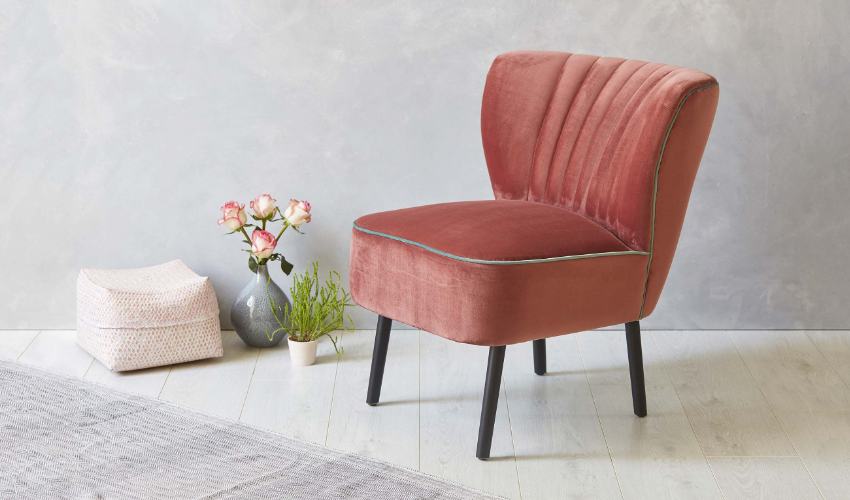
A damaged or worn sofa does not always need to be replaced. In many cases, professional repair or upholstery can restore its comfort, appearance and usefulness for years. The difficult part is deciding which service your sofa actually needs.
Sofa repair focuses mainly on correcting functional or structural problems, such as a broken frame, damaged springs, loose joints or a faulty recliner mechanism. Sofa upholstery focuses on replacing or renewing the outer covering, padding and finishing of the sofa.
However, these services can overlap. A sofa with torn fabric may also have weak foam, while a sofa with a broken frame may need new upholstery after the structural work is completed.
This guide explains the difference between sofa repair and sofa upholstery, the problems each service can solve and how to choose the right treatment for your furniture.
What Is Sofa Repair?
Sofa repair involves fixing damaged components so the sofa becomes stable, comfortable and functional again. The aim is not necessarily to change the entire appearance of the furniture. Instead, the technician identifies the damaged area and repairs or replaces the affected component.
Professional sofa repair services in Dubai may include:
- Repairing cracked or broken wooden frames
- Reinforcing loose joints
- Replacing damaged springs
- Repairing webbing and internal support
- Fixing recliner or sofa-bed mechanisms
- Repairing seams, zippers and buttons
- Patching small fabric or leather tears
- Restuffing loose back cushions
- Replacing worn seat foam
- Correcting uneven or sinking seats
Sofa repair is generally the right choice when the furniture still looks acceptable but no longer feels stable, supportive or comfortable.
Common Signs Your Sofa Needs Repair
You should consider sofa repair when you notice one or more of these problems:
- The sofa makes cracking or squeaking sounds.
- One side feels lower than the other.
- The seat sinks deeply when you sit down.
- The arms or backrest feel loose.
- Springs can be felt through the cushions.
- A recliner does not open or close properly.
- The frame moves when pressure is applied.
- Seams, zippers or buttons have become loose.
- Only a small section of fabric or leather is damaged.
These issues are often caused by internal wear rather than a problem with the entire sofa. A targeted repair may restore the furniture without requiring a complete material change.
What Is Sofa Upholstery?
Sofa upholstery refers to the materials that cover and cushion the furniture, including fabric, leather, foam, padding, webbing and decorative finishing. Sofa reupholstery involves removing worn materials and installing new ones.
Professional sofa upholstery in Dubai can completely change the look and feel of an old sofa. Depending on its condition, the process may include:
- Removing the existing fabric or leather
- Inspecting the internal frame and support
- Replacing damaged foam or padding
- Installing new webbing where necessary
- Cutting and stitching the selected material
- Adding piping, buttons, tufting or trims
- Reassembling and finishing the sofa
- Checking alignment, comfort and stitching
Upholstery is normally chosen when the sofa’s outer material is extensively worn, stained, outdated or no longer suitable for the room.
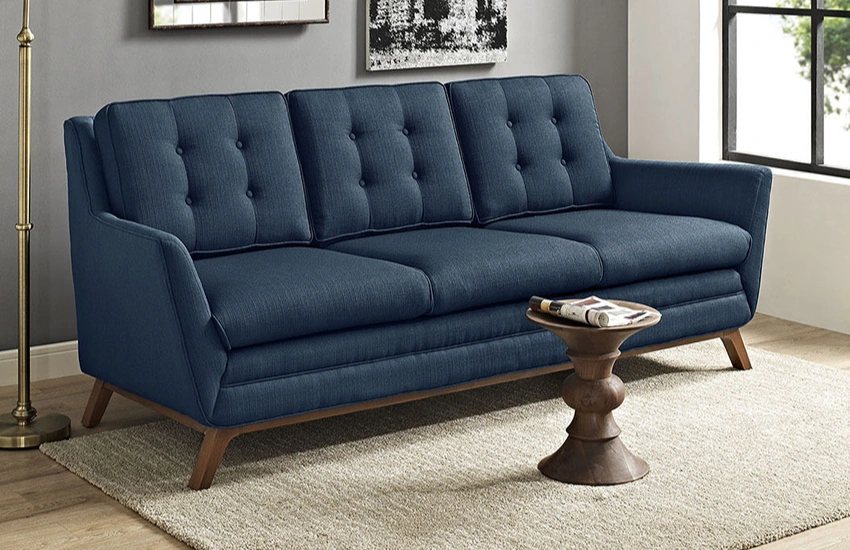
Common Signs Your Sofa Needs Upholstery
Sofa upholstery may be the better option when:
- The fabric is faded across large areas.
- The material is torn in several places.
- Permanent stains cannot be removed.
- Faux leather is peeling or flaking.
- The sofa color no longer matches the interior.
- The material feels rough, weak or stretched.
- The cushions have lost their shape.
- You want to change from fabric to leather.
- You want to modernize an old sofa design.
- The sofa has sentimental or custom value.
Reupholstery gives you greater control over the color, material, texture, comfort and overall design of the sofa.
Sofa Repair vs Sofa Upholstery: The Main Difference
The main difference is the part of the sofa being treated.
Sofa repair corrects damage and functional problems. Sofa upholstery renews the covering, cushioning and visual finish.
Here is a simple comparison:
| Factor | Sofa Repair | Sofa Upholstery |
|---|---|---|
| Main purpose | Restore function and stability | Restore appearance and comfort |
| Typical problems | Broken frame, weak springs, loose joints | Torn, faded, stained or outdated material |
| Amount of material replaced | Usually limited | Most or all upholstery material |
| Design change | Minimal | Extensive customization available |
| Structural work | Usually included | Added when required |
| Fabric replacement | Small patches or sections | Complete material replacement |
| Foam work | Localized or full replacement | Often included when needed |
| Best for | Specific damage | Overall deterioration or redesign |
The condition of the frame, springs, foam and covering should all be inspected before deciding. Choosing based only on what is visible can leave hidden problems untreated.
When Should You Choose Sofa Repair?
Sofa repair is usually suitable when the damage is limited to a particular component.
1. The Frame Is Cracked or Loose
A sofa may look normal from the outside while its wooden frame has cracked or its joints have weakened. If the upholstery is still in good condition, repairing or reinforcing the structure may be enough.
2. The Sofa Has Sagging Seats
Sagging does not always mean the entire sofa needs reupholstery. The cause may be worn foam, stretched webbing or damaged springs.
If the fabric remains usable, a cushion foam replacement service may restore support without replacing the outer covering.
3. Only a Small Area Is Damaged
A loose seam, broken zipper, missing button or small tear can often be repaired locally. Complete reupholstery may be unnecessary when the rest of the material is still strong and attractive.
4. A Recliner or Sofa Bed Is Not Working
Mechanical furniture contains moving parts that can wear out or become misaligned. Repairing the mechanism may return the sofa to full use without changing its appearance.
5. You Want to Keep the Existing Design
If you already like the sofa’s color and fabric, repair allows you to preserve its original appearance while resolving comfort or structural issues.
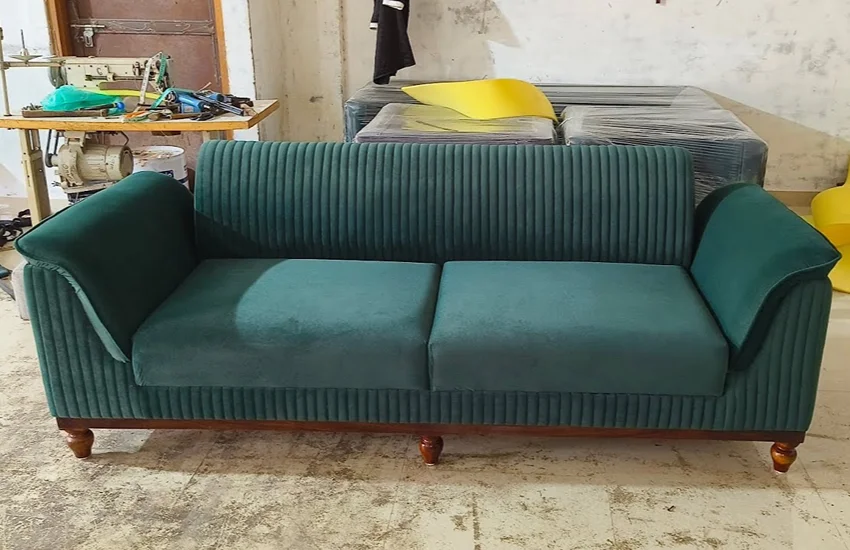
When Should You Choose Sofa Upholstery?
Upholstery is normally the better choice when the outer material has reached the end of its useful life or when you want a major visual change.
1. The Fabric Is Extensively Worn
Several tears, large stains, heavy fading and stretched fabric indicate that patch repairs may no longer provide a clean result. Replacing the complete covering creates a more consistent finish.
You can explore an upholstery fabric collection to compare materials, textures, patterns and colors before making a decision.
2. Faux Leather Is Peeling
Peeling faux leather usually affects more than one small area. Patching one section may not stop nearby surfaces from deteriorating. Full upholstery may provide a cleaner and more durable solution.
For genuine leather, scratches, minor cracks and discoloration may be repairable. More extensive damage may require professional leather upholstery and restoration.
3. You Want a New Interior Style
You do not need to wait until the sofa is badly damaged. Reupholstery can update a traditional sofa with a modern neutral fabric, introduce a bold accent color or help the furniture match new curtains, flooring and wall finishes.
4. The Foam and Fabric Are Both Worn
When the seats are flat and the covering is also damaged, replacing only one component may produce an incomplete result. Reupholstery allows the covering, padding and comfort level to be improved together.
5. The Sofa Has a Good-Quality Frame
A strong frame is one of the best reasons to consider reupholstery. If the structure is solid and the size suits your room, renewing the materials may be more practical than replacing the entire sofa.
This is especially relevant for custom furniture and large sectional pieces. Specialized L-shaped sofa upholstery can preserve the existing dimensions while changing the fabric, cushioning and design details.
When Do You Need Both Repair and Upholstery?
Many older sofas need a combination of the two services.
For example, a sofa may have faded fabric, sagging seats and loose frame joints. Installing new fabric without repairing the structure would improve its appearance but not its stability. Similarly, repairing the frame while leaving badly damaged upholstery would solve only part of the problem.
A combined restoration may involve:
- Removing the old covering.
- Inspecting the frame and joints.
- Repairing cracks or loose sections.
- Replacing damaged springs or webbing.
- Installing new foam or padding.
- Applying the selected fabric or leather.
- Completing the final stitching and finishing.
This approach restores both appearance and performance.
Repair or Upholstery: Which Option Costs Less?
A small repair usually costs less than complete upholstery because fewer materials and less labor are required. However, the final cost depends on the sofa’s size, construction and condition.
Factors that can affect the quotation include:
- Number of seats
- Sofa shape and dimensions
- Type of structural damage
- Number of springs or support components involved
- Amount and density of foam required
- Fabric or leather selection
- Tufting, piping and decorative details
- Recliner or sofa-bed mechanisms
- Pickup and delivery requirements
- Custom modifications
The cheapest immediate option is not always the most economical long-term choice. Repeatedly repairing weak fabric or deteriorated foam may cost more than completing a proper restoration once.
Ask for an inspection that separates essential repairs from optional upgrades. This makes it easier to prioritize the work according to your budget.
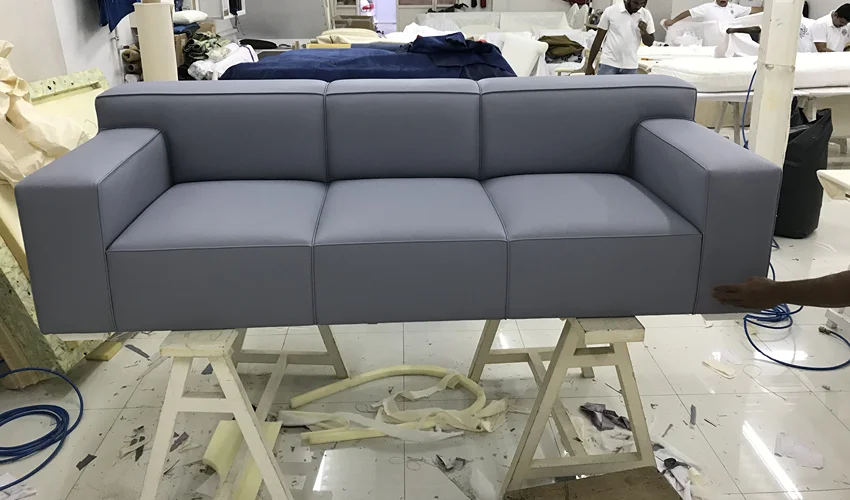
Should You Repair, Reupholster or Buy a New Sofa?
Use the following questions to evaluate your sofa:
Is the Frame Still Strong?
A strong frame supports repair or reupholstery. A severely damaged low-quality frame may not justify extensive work.
Does the Sofa Fit Your Space?
Custom-sized sofas, sectionals and furniture made for unusual layouts can be difficult to replace. Keeping the existing dimensions may be a major advantage.
Is the Sofa Comfortable?
If you like the seat depth, height and overall shape, repair or upholstery can preserve the design while renewing worn components.
How Extensive Is the Damage?
One broken joint or a single damaged cushion usually suggests repair. Widespread fading, peeling or tearing generally suggests upholstery.
Do You Still Like the Design?
Repair is suitable when you want to keep the current look. Upholstery is better when you want to change the color, material or style.
Does the Sofa Have Personal Value?
Family furniture, antique pieces and custom-made sofas may be worth restoring even when extensive work is required.
How to Choose the Right Upholstery Material
The correct fabric should suit how and where the sofa will be used.
For a busy family room, consider durable and easy-care materials. For a formal sitting area, appearance and texture may be the main priorities. Outdoor seating requires materials designed for sunlight, heat and moisture.
Consider these factors:
- Daily frequency of use
- Children and pets
- Sunlight exposure
- Cleaning requirements
- Indoor or outdoor placement
- Preferred texture
- Existing interior colors
- Desired durability
- Available budget
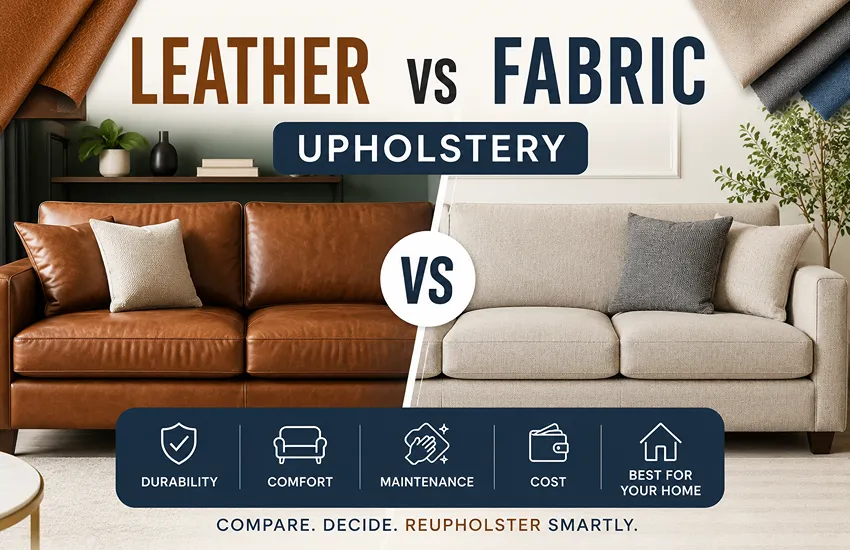
Fabric offers a wide range of colors and textures, while leather provides a distinctive appearance and different maintenance requirements. Read the leather vs fabric upholstery guide before choosing between the two.
Why a Professional Sofa Inspection Matters
Visible damage does not always reveal the full condition of a sofa. Upholstery can hide cracked rails, stretched webbing, loose joints, rusted springs and deteriorated padding.
During an inspection, an experienced upholsterer should examine:
- Frame stability
- Joint condition
- Spring support
- Webbing tension
- Seat and back foam
- Fabric strength
- Leather condition
- Stitching and seams
- Recliner mechanisms
- Overall alignment
After the inspection, you should receive a clear explanation of what needs repairing, what needs replacing and which changes are optional.
Final Verdict: Sofa Repair or Sofa Upholstery?
Choose sofa repair when the material is mostly in good condition but the furniture has a specific structural, mechanical or comfort problem.
Choose sofa upholstery when the covering is extensively worn, stained, faded or outdated, or when you want to redesign the sofa.
Choose both services when the sofa has internal damage as well as deteriorated fabric, leather or cushioning.
The right decision should be based on the complete condition of the furniture, not only its appearance. A professional inspection can help you avoid unnecessary work while ensuring that hidden structural issues are properly addressed.
Restore Your Sofa With the Right Service
Unsure whether your furniture needs repair, reupholstery or a combination of both? Contact our team for a professional assessment. We can inspect the frame, springs, foam and outer material before recommending the most appropriate solution.
Request a sofa inspection and quotation to restore the comfort, appearance and usability of your furniture.